Milling Key to Responsible Food Production

Energy consumption, waste reduction, and digitalisation are key factors in ensuring a resilient and responsible food system. Bühler, a global leader in milling technology, is at the forefront of these efforts, investing significantly in innovation and research to help mills adapt to a rapidly evolving landscape.
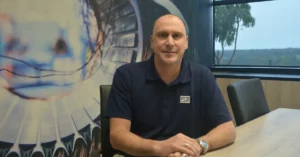
“Energy consumption is a major concern in milling operations, but we are tackling this challenge head-on through advanced equipment, automation, and digital monitoring tools. High-performance motors and energy-efficient roller mills have been instrumental in cutting energy use, while our Energy Recovery Concept helps minimise heat loss,” says Marco Sutter, Managing Director of Bühler Southern Africa.
Digitilisation improves energy efficiency
Digitalisation plays a crucial role in improving energy efficiency. By leveraging real-time monitoring, predictive maintenance, and AI-driven process optimisation, the company enables mills to reduce excess energy consumption and streamline operations. Case studies highlight the impact of these technologies, with mills achieving energy savings of up to 15% and waste reductions of 30% through Bühler’s automation solutions.
To further minimise food loss, the company integrates precise sorting technologies, optimised cleaning processes, and real-time milling parameter tracking. These innovations ensure maximum yield from raw materials, reducing waste and enhancing overall efficiency.

Long-term resilience
Bühler supports mills in adopting circular economy principles by designing machines that recover valuable byproducts and utilise recyclable materials. Sustainable sourcing and production practices are crucial for long-term resilience. The company helps mills balance cost-effectiveness with environmental responsibility through modular processing lines that minimise raw material and energy waste.
“We believe that sustainability and profitability can go hand in hand. Our goal is to provide solutions that not only reduce waste but also enhance efficiency and profitability for milling businesses,” adds Marco.
Localised manufacturing is another key strategy in improving sustainability. By reducing transportation emissions and strengthening regional food security, Bühler’s approach ensures faster service and maintenance while enhancing supply chain resilience. In addition, the company encourages mills to adopt recognised sustainability certifications, such as ISO 50001 for energy management and LEED for environmental compliance, to meet industry standards.
Smart technologies
The integration of artificial intelligence (AI) and the Internet of Things (IoT) is revolutionising milling operations. Bühler’s smart process control systems optimise efficiency while reducing environmental impact, ensuring mills operate at peak performance with minimal waste.
“Smart milling is the future, and we are leading this transformation. Our digital solutions empower mills with real-time insights, allowing them to make data-driven decisions that enhance efficiency and sustainability,” claims Marco.
Blockchain integration
Bühler Insights, a digital solution, provides real-time data analytics for monitoring energy use, raw material efficiency, and emissions. Predictive maintenance further enhances sustainability by preventing equipment breakdowns, extending machinery life and reducing unnecessary energy consumption.
Transparency in the food supply chain is becoming increasingly important, and the company’s smart technologies enable enhanced traceability through blockchain integration. From farm to finished product, these innovations support accountability and food safety in milling operations.
Workforce development
The rapid advancement of technology in milling requires a highly skilled workforce. Bühler is committed to knowledge-sharing and capacity-building through its African Milling School, as well as its training programmes, workshops, and e-learning platforms.
The company also collaborates with educational institutions and industry organisations to provide hands-on training and apprenticeship opportunities. “Training and skills development are key to future-proofing the milling industry. We invest in education to ensure millers are well-equipped to handle new technologies and industry shifts,” Marco concludes.